
Why Entrepreneurs Are Choosing Lake Norman & Charlotte: Where Business Opportunity Meets an Extraordinary Lifestyle
Thinking of starting a business, expanding your company, or relocating somewhere that offers both opportunity and an exceptional quality of life? Discover why the Charlotte and Lake Norman region deserves a closer look.
What if the best place to grow your business is also the place you've always wanted to call home?
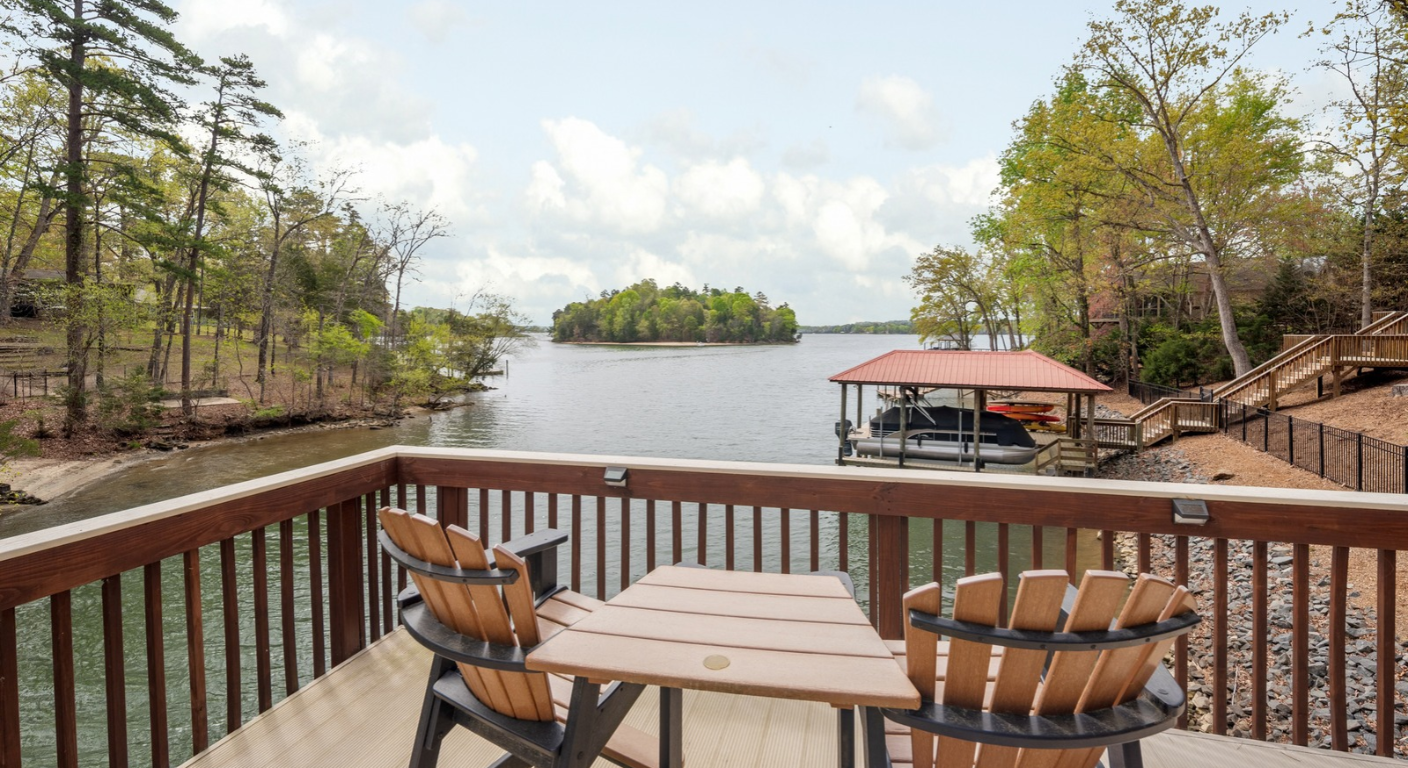
Imagine starting your morning overlooking Lake Norman, meeting clients in Charlotte's thriving business districts, and ending your day with a sunset cruise on the water.
For entrepreneurs, business owners, and executives, that combination of professional opportunity and personal freedom is an appealing possibility.
From Charlotte's established financial and professional services industries to the waterfront communities of Cornelius, Davidson, Mooresville, Denver, and Huntersville, the region offers a range of places to launch a business, build professional relationships, and establish a home.
Whether you're launching your first company, expanding an existing operation, or moving your business from another state, there's more to consider than the numbers.
The real opportunity is creating a business and a lifestyle that work together.

Why Is the Charlotte and Lake Norman Area Attractive to Entrepreneurs?
1. A Diverse Business Environment
Charlotte is widely recognized as a major financial and commercial center, but its business opportunities extend far beyond banking.
The region supports companies in technology, healthcare, manufacturing, logistics, professional services, real estate, hospitality, and consulting.
For entrepreneurs, this diversity creates opportunities to develop partnerships, reach different customer groups, and serve both businesses and consumers.
Lake Norman adds another dimension.
Its communities offer opportunities for independent professionals, entrepreneurs, established businesses, and companies serving the region's residential and commercial markets.
A consultant might operate from a home office in Davidson. A technology entrepreneur might choose a flexible workspace near Charlotte. A business owner seeking room to expand might explore commercial property in Mooresville or the surrounding area.
The possibilities depend on your business model, your customers, and how you want to live.
2. Access to Transportation and Business Connections
For entrepreneurs who travel regularly, location matters.
Charlotte Douglas International Airport connects the region to domestic and international destinations, while Interstate 77 provides a major transportation corridor between Charlotte and Lake Norman.
This access can be particularly valuable for entrepreneurs whose businesses require frequent travel, client meetings, conferences, or connections to other markets.
Before choosing a location, consider how often you'll travel, where your clients are based, and whether convenience to the airport or major highways should be a priority.
3. A Lifestyle That Supports Your Ambitions
<escape>There is something compelling about building a successful business without putting your personal life on hold.</escape>
Lake Norman offers waterfront living, boating, golf, dining, recreation, and residential communities with different architectural styles and amenities.
Charlotte brings the benefits of a major metropolitan area, including entertainment, restaurants, professional networks, sporting events, and cultural attractions.
Together, they offer entrepreneurs the ability to choose a setting that supports both work and recreation.
For some, that's a waterfront home with a private office and dock. For others, it's a walkable community, a luxury condominium, or a home with room for a growing business.
The ideal location depends on what success looks like to you.
Starting a Business in North Carolina or South Carolina: Your First Seven Steps
You don't need to have every answer before you begin. You do need a clear plan.
Here are seven practical steps to help turn your business idea into a stronger foundation.
Step 1: Define Your Business Idea and Ideal Customer
Start by identifying the problem your business solves.
Ask yourself:
Who needs your product or service?
Why would customers choose your business?
What makes you different from competitors?
Can your idea generate enough revenue to support your goals?
Does the Charlotte or Lake Norman market offer the customer base you need?
Before making a major investment, test your idea with potential customers, examine local competition, and identify the demand for your services.
Step 2: Create a Business Plan
Your business plan doesn't need to be complicated, but it should answer important questions about your market, revenue, costs, and growth.
Include startup expenses, expected operating costs, pricing, marketing strategy, cash flow, and financing requirements.
A thoughtful business plan can help you decide whether to launch from home, lease an office, purchase commercial space, or begin with a smaller operation.
Step 3: Choose the Right Business Structure
Common business structures include sole proprietorships, limited liability companies (LLCs), partnerships, and corporations.
Each has different legal, liability, and tax considerations.
An LLC may appeal to an entrepreneur seeking liability protection and flexibility, but forming an LLC does not automatically create a tax deduction or guarantee the best tax treatment.
Consult a qualified attorney and CPA before choosing your structure, especially if your company will operate in both North Carolina and South Carolina.
Step 4: Register Your Business
For businesses established in North Carolina, visit the North Carolina Secretary of State.
For South Carolina businesses, start with South Carolina Business One Stop.
Depending on your business structure and activities, you may need to register your entity, file an assumed business name, obtain professional licenses, or register in multiple states.
Step 5: Obtain Your Federal Tax ID and Required Permits
Many businesses need an Employer Identification Number (EIN), especially when hiring employees or operating through certain business structures.
You can apply for an EIN free through the Internal Revenue Service.
You should also check state, county, and municipal requirements for tax registration, zoning, professional licenses, building permits, and business operations.
Step 6: Establish Your Financial Foundation
Open a separate business bank account, set up bookkeeping, and develop a system for tracking income, expenses, and taxes.
Estimate how much working capital you'll need to cover expenses while your business gains customers.
Consider business insurance, payroll requirements, financing options, and the costs of acquiring or leasing property.
Step 7: Build Relationships Before You Need Them
Entrepreneurship can be exciting, but it doesn't have to be a solo journey.
Connect with local chambers of commerce, business mentors, professional associations, and other entrepreneurs.
The relationships you build today can lead to future clients, referrals, partnerships, and valuable advice.
North Carolina Tax Advantages and Business Resources Entrepreneurs Should Know About
North Carolina offers a variety of tools for entrepreneurs, including business counseling, educational programs, and tax provisions worth reviewing.
North Carolina Business Tax Rates in 2026
For the 2026 tax year:
Individual income tax: North Carolina's flat individual income tax rate is 3.99%.
Corporate income tax: The state imposes a 2% corporate income tax rate on taxable income of C corporations.
Franchise tax: Certain corporations remain subject to franchise tax, which should be considered when evaluating overall business costs.
These rates can influence financial planning, but the amount you actually pay depends on your business structure, taxable income, deductions, and other circumstances.
A CPA familiar with North Carolina taxation can help you understand the tax impact of starting, relocating, or expanding a business.
Free Business Guidance Through the EDPNC
The Economic Development Partnership of North Carolina offers Small Business Advisors who provide free, personalized guidance.
They can help entrepreneurs understand registration requirements, licenses, permits, and other steps involved in establishing a business.
This is an excellent starting point if you're moving an existing company into North Carolina or starting from scratch.
North Carolina Small Business & Technology Development Center
The NC SBTDC provides business advisory services and educational resources to help entrepreneurs start and grow companies.
Its services can help you explore business strategy, financial planning, financing preparation, and expansion.
Local Small Business Centers
North Carolina's community college Small Business Center Network offers business education and counseling.
For entrepreneurs in Charlotte, Central Piedmont Community College's Small Business Center offers free business counseling and training opportunities.
Charlotte Small Business Matching Grants
The City of Charlotte offers matching grant programs supporting qualifying businesses and commercial property owners in designated business revitalization areas.
Depending on the program, eligible improvements may include building upgrades or security enhancements.
These grants are location-specific and subject to funding, application periods, and eligibility requirements.
Explore current programs through the City of Charlotte's Business Matching Grants page.
Could South Carolina Offer Opportunities for Your Business?
For entrepreneurs considering the greater Charlotte region, South Carolina deserves attention as well.
Communities such as Fort Mill, Tega Cay, and Rock Hill offer additional residential and commercial location options with access to the broader Charlotte business market.
South Carolina Corporate Income Tax
South Carolina's standard corporate income tax rate is 5%.
However, that rate does not represent the total tax liability for every business. Tax treatment varies by legal structure, income type, and how business income is allocated.
Small Business Jobs Tax Credit
South Carolina offers a Small Business Jobs Tax Credit for certain qualifying companies.
Businesses with 99 or fewer full-time employees worldwide may qualify under the small-business provisions by creating at least two new full-time jobs, subject to additional requirements.
For an entrepreneur planning to hire employees and expand operations, this incentive is worth investigating.
Learn more through the South Carolina Department of Commerce.
South Carolina Small Business Development Centers
The South Carolina Small Business Development Centers offer no-cost consulting and business education.
They can assist entrepreneurs with business plans, financing, marketing, financial analysis, and growth strategies.
South Carolina Business One Stop
The South Carolina Business One Stop website helps entrepreneurs navigate registration, tax accounts, licenses, permits, and other business obligations.
A smart first move: If you're deciding between North Carolina and South Carolina, compare the complete financial picture—not just income tax rates. Consider property taxes, payroll, insurance, licensing, business incentives, customer access, and the costs of your home or commercial location.
Where Can Entrepreneurs Find Support in Lake Norman and Charlotte?
One of the most valuable steps an entrepreneur can take is connecting with organizations that already understand the local business environment.
Lake Norman Chamber of Commerce
The Lake Norman Chamber offers access to business resources, networking, and local connections.
Charlotte Regional Business Alliance
The Charlotte Regional Business Alliance offers its Regional Innovation and Support for Entrepreneurs (R.I.S.E.) resource hub, designed to help businesses discover regional resources and connections.
SCORE and the U.S. Small Business Administration
SCORE and SBA resource partners offer mentoring, education, and assistance to entrepreneurs preparing to launch or expand.
City of Charlotte Small Business Resources
The City of Charlotte provides information on business support services, grants, and other local programs.
These resources can save valuable time, help you avoid common startup mistakes, and introduce you to people who understand the challenges of business ownership.

Where Should Entrepreneurs Live in the Lake Norman and Charlotte Region?
Choosing the right business location is only part of the decision.
Where you live can influence your daily schedule, work environment, and the lifestyle you enjoy outside the office.
Here are several communities worth exploring.
Cornelius: Waterfront Living and Business Convenience
Cornelius offers a mix of waterfront properties, luxury condominiums, dining, and access to the Interstate 77 corridor.
For business owners who want lake access while remaining connected to Charlotte, Cornelius may offer a compelling option.
Davidson: Small-Town Character and Professional Connections
Davidson combines a historic downtown, independent businesses, restaurants, and access to Davidson College.
Its walkable center and community atmosphere can appeal to entrepreneurs who value local connections and a distinctive setting.
Mooresville: Business Activity and Lake Norman Living
Mooresville offers commercial and industrial areas, retail corridors, residential neighborhoods, and waterfront estates.
Its connection to the motorsports industry and broader business community adds another dimension for entrepreneurs exploring the region.
Huntersville: Access to Charlotte and Lake Norman
Huntersville offers commercial centers, residential communities, and convenient access to major regional transportation corridors.
It may be worth considering if your business involves frequent meetings in Charlotte or throughout the Lake Norman area.
Denver and Sherrills Ford: Western Shore Possibilities
For entrepreneurs considering the western side of Lake Norman, Denver and Sherrills Ford provide additional residential and commercial options.
These areas feature a mix of waterfront properties, established neighborhoods, and developing commercial corridors.
Charlotte: Urban Energy and Professional Networks
For entrepreneurs seeking proximity to corporate headquarters, professional services, coworking spaces, or an urban environment, Charlotte offers several different business districts and residential lifestyles.
From Uptown and South End to Ballantyne and SouthPark, each area has its own commercial character.
The Home Office Has Become Part of the Entrepreneurial Lifestyle
For many business owners, the traditional division between home and work has changed.
A well-designed home office can provide the privacy, comfort, and functionality needed to manage a growing business.
When exploring luxury homes, entrepreneurs may want to consider:
A dedicated office with natural light and privacy
Reliable high-speed internet and strong connectivity
Separate spaces for virtual meetings and focused work
Flexible rooms for professional or creative projects
Convenient access to airports, clients, and commercial centers
Outdoor spaces and amenities that support relaxation after the workday
Before operating a business from home, verify local zoning, applicable homeowners association restrictions, and any required permits.
The right home should support both the business you're building and the life you want to enjoy.
Frequently Asked Questions About Starting a Business in the Charlotte and Lake Norman Area
Is North Carolina a Good State for Entrepreneurs?
North Carolina offers entrepreneurs access to major business markets, professional networks, business advisory services, and a variety of commercial and residential locations.
Its 2026 tax structure and available support programs are important factors to consider, although the best choice depends on your specific industry, business structure, and financial goals.
Can I Run a Business From My Lake Norman Home?
Many types of home-based businesses may be permitted, depending on the property, zoning, business activities, and applicable restrictions.
Before purchasing a home for business use, confirm requirements with the appropriate local planning department and review any HOA covenants.
Are There Grants for Starting a Small Business in North Carolina?
Some grant programs are available, but many are limited to particular locations, industries, improvements, or business types.
Most startup businesses should not assume grant funding will be available. Explore business counseling, available financing programs, and relevant local incentives as part of a complete funding strategy.
Should I Start My Business in North Carolina or South Carolina?
Both states offer business resources and potential advantages.
The better choice depends on where you'll operate, the customers you serve, your legal structure, expected hiring, property requirements, and total tax exposure.
Seek professional guidance before establishing or relocating a business across state lines.
Your Next Chapter Could Begin at Lake Norman
Building a business takes vision, commitment, and the courage to pursue something greater.
Choosing where to build it deserves that same thoughtful approach.
At The Petrenko Group, we understand that relocating is about far more than finding a property. It's about choosing a community, creating new connections, and finding a place that fits your goals.
With decades of personal relocation experience and a commitment to exceptional representation, we help buyers and sellers navigate important real estate decisions throughout Lake Norman and the greater Charlotte area.
Whether you're an entrepreneur preparing for a new venture, a business owner relocating to the region, or an executive ready for a different lifestyle, we're here to help you explore the possibilities.
Your business reflects your ambition. Your home should reflect the life you're building.
Let's find where both can thrive.
Connect with Vic & Amy Petrenko of The Petrenko Group at Premier Sotheby's International Realty to explore luxury homes, waterfront properties, and communities throughout Lake Norman and the Charlotte region.
The Petrenko Group
Vic & Amy Petrenko | Global Real Estate Advisors
Premier Sotheby's International Realty
SERVICE • INTEGRITY • RESULTS
Information current as of November 2026. Business registration requirements, tax laws, grants, and incentive programs are subject to change. This article is for general educational purposes and does not constitute legal, accounting, or tax advice. Consult qualified professionals before making financial or business decisions.


